
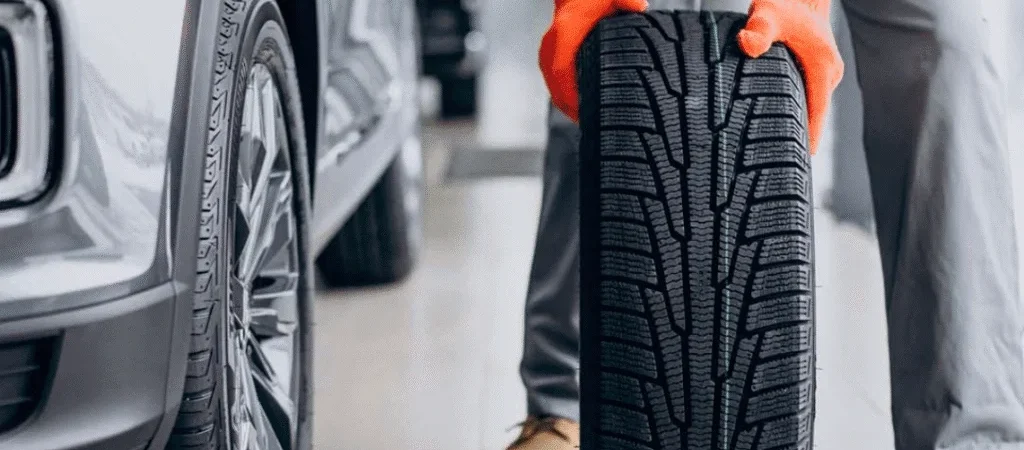
Are Your Tyres Ready for Rainy Roads in Dubai?
Rain can make Dubai roads slippery in minutes. Learn how to check tyre tread, maintain the correct pressure, spot worn tyres and reduce the risk of losing grip on wet roads.

Dubai drivers spend much of the year travelling on dry roads, but rainfall can quickly change driving conditions. Water on the road can reduce tyre grip, affect braking and make steering more difficult. Oil residue and standing water can create additional hazards, particularly during the early stages of rainfall.
Preparing your vehicle starts with your tyres. If you are wondering whether your tyres are ready for rainy roads in Dubai, check their tread, pressure, age and overall condition before setting off. A few simple inspections can help identify problems before they become a safety concern.
Important: Good tyres cannot eliminate every risk in wet weather. Reduce your speed, leave more space between vehicles and follow official UAE road-safety instructions.
1. Check Your Tyre Tread Depth
Tyre tread grooves help channel water away from the contact area between the tyre and road. When the tread becomes worn, the tyre has less ability to clear water, increasing the risk of reduced traction and aquaplaning.
Inspect all four tyres for these warning signs:
- Tread grooves that appear shallow or uneven.
- Wear indicators that are level with the surrounding tread.
- Uneven wear across the inner or outer edges.
- Bald patches or a noticeably smooth tread surface.
Check tread depth with an appropriate gauge and have questionable tyres inspected professionally. Do not rely only on a visual check or wait until the tread is completely worn before arranging replacement.
The legal minimum and recommended replacement point are not always the same. Consult current UAE requirements and your tyre manufacturer's guidance. Replacing significantly worn tyres before they reach the legal limit can provide an additional wet-weather safety margin.
2. Check Your Tyre Pressure Before Driving
Correct tyre pressure in Dubai matters in both dry and rainy weather. Underinflated or overinflated tyres can affect handling, braking, tyre wear and the contact patch.
Measure pressure when the tyres are cold, ideally before driving or after the vehicle has been parked long enough to cool down. Follow the vehicle manufacturer's recommended pressure shown on the driver's door label, fuel-filler flap or owner's manual.
- Use a reliable tyre-pressure gauge.
- Check all four tyres, not just the front pair.
- Check the spare tyre if your vehicle has one.
- Recheck pressure after significant temperature changes.
- Do not use the maximum pressure printed on the tyre sidewall as the normal target.
Never release air from a hot tyre simply because its pressure is higher than the cold-pressure recommendation. If you repeatedly lose pressure, arrange an inspection for a puncture, valve leak or other damage.
3. Look for Tyre Damage and Uneven Wear
Dubai's high temperatures, heavy use and long journeys can take their toll on tyres. Check the sidewalls and tread carefully, even if the vehicle has been driving normally.
Signs that need professional attention
- Cracks or deep cuts in the tyre sidewall.
- Bulges, bubbles or distorted areas.
- Nails, screws or other objects embedded in the tread.
- Repeated pressure loss or an unexplained warning.
- Steering vibration or unusual vehicle pulling.
A sidewall bulge can indicate internal structural damage. Do not continue driving on a tyre with a bulge, exposed cords or serious structural damage. Stop somewhere safe and arrange professional assistance.
Not every puncture can be repaired safely. Repairability depends on its location, size, tyre condition and the manufacturer's repair requirements. A professional inspection is necessary before deciding between repair and replacement.
4. Understand Aquaplaning on Wet Dubai Roads
Aquaplaning, also called hydroplaning, occurs when water builds between the tyres and road surface and the tyres lose some or all of their grip. Steering and braking may become less effective, making it difficult to control the vehicle.
The risk can increase with speed, standing water, worn tread and unsuitable tyre pressure. Even tyres in good condition cannot guarantee grip if you drive too quickly through deep water.
What should you do if the car starts aquaplaning?
- Ease off the accelerator gradually.
- Keep the steering wheel steady and avoid sudden movements.
- Avoid harsh braking or sharp steering corrections.
- Allow the vehicle to slow until the tyres regain grip.
- Once control returns, continue cautiously or stop somewhere safe.
Do not attempt to drive through flooded roads or moving floodwater. Choose a safe alternative route instead. Water depth can be difficult to judge, and even apparently shallow water can be hazardous.
5. How to Drive Safely in the Rain in Dubai
Safe driving habits are just as important as good tyres. Dubai motorists should check tyres, brakes and lights before travelling in rainy weather, reduce speed and increase the distance from the vehicle ahead.
- Reduce speed: Drive at a speed appropriate for visibility, traffic and water on the road.
- Increase following distance: Leave extra room to react and brake smoothly.
- Avoid sudden movements: Accelerate, brake and steer progressively.
- Check visibility: Ensure wipers, headlights and windows are clean and working correctly.
- Watch for standing water: Never assume a puddle is shallow enough to cross safely.
- Plan extra time: Allow for slower traffic and changing road conditions.
If rain becomes too heavy to drive safely, pull over only at a suitable location away from moving traffic and follow official instructions. Avoid stopping in a live lane or entering a flooded underpass.
6. Rainy-Weather Tyre Safety Checklist
Before your next journey, use this checklist to identify issues that deserve attention.
Before you leave
- Check tread depth and visible wear on all tyres.
- Confirm cold tyre pressure matches the vehicle recommendation.
- Look for cuts, cracks, bulges and embedded objects.
- Make sure the tyres are suitable for the vehicle and correctly fitted.
- Check the spare tyre or emergency equipment, if fitted.
- Confirm wipers, lights and brakes are in good condition.
- Review weather and road conditions before travelling.
If you notice a warning sign, get it checked rather than assuming the tyre will be fine once you start driving. A short inspection before a journey can help prevent an avoidable problem on a wet road.
7. When Should You Arrange Tyre Repair or Replacement?
If your vehicle has a flat tyre, a persistent pressure warning, visible tyre damage or a puncture, arrange a professional assessment before continuing your journey. Driving on a flat or seriously damaged tyre can worsen the damage and compromise vehicle control.
FIX A Tyre provides mobile tyre assistance in Dubai, including puncture repair where suitable, flat tyre assistance, tyre replacement and new tyre installation. Service suitability depends on tyre condition, vehicle and location.
If you experience a tyre problem on the road, move to a safe place away from traffic if possible. Do not attempt roadside checks in a live lane. Contact assistance and follow local road-safety instructions.
Need Tyre Assistance in Dubai?
Noticed a puncture, pressure loss or worn tread? Contact FIX A Tyre to discuss mobile tyre repair or replacement options and arrange suitable assistance.
8. Frequently Asked Questions
Are worn tyres dangerous on rainy roads in Dubai?
Yes. Worn tread reduces the tyre's ability to channel water away from its contact area with the road. This can reduce grip and increase aquaplaning risk, particularly at higher speeds or in standing water.
What is the correct tyre pressure for driving in the rain?
Use the cold tyre pressure recommended by your vehicle manufacturer. There is no single correct pressure for every car, and you should not change tyre pressure just because it is raining.
Can I drive with a tyre pressure warning light on?
Do not ignore the warning. Find a safe place to stop and inspect the tyres. If a tyre is visibly flat, damaged or losing pressure quickly, do not continue driving on it. Arrange professional assistance.
Can a punctured tyre be repaired after driving in the rain?
Possibly. A technician must inspect the puncture location, size and internal tyre condition. Sidewall damage and certain other types of damage are generally not safely repairable.
Does FIX A Tyre provide mobile tyre service in Dubai?
FIX A Tyre provides mobile tyre services in Dubai, including suitable puncture repairs, flat tyre assistance and tyre replacement. Contact the team to confirm availability for your location and vehicle.
Should I drive through standing water if my tyres are new?
No. New tyres cannot eliminate the dangers of deep or moving water. Avoid flooded roads, choose a safe alternative route and follow official traffic guidance.
Official Road-Safety Resources
For additional guidance on driving safely during UAE rainfall, consult these resources: