
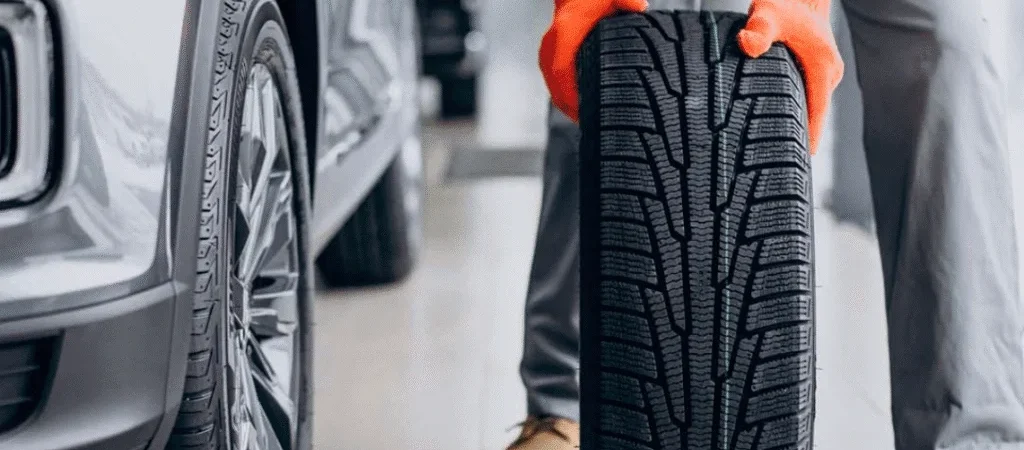
Why Is My Tyre Pressure Dropping Overnight in Dubai?
Have you checked your tyres before parking at night, only to see a low tyre pressure warning the next morning? A drop in overnight temperature can reduce tyre pressure, but it is not the only possible reason. A puncture, leaking valve, or damaged tyre may also cause pressure loss.
Understanding why your tyre pressure drops overnight in Dubai can help you decide whether a simple pressure adjustment is enough or whether your tyre needs professional inspection. Here is how to check it safely and what to do next.
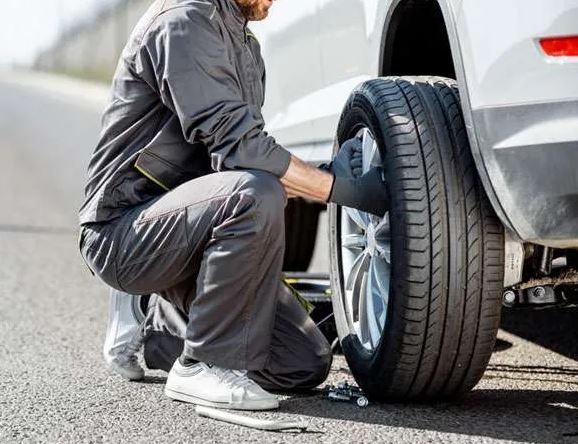
Why Does Tyre Pressure Drop Overnight?
Tyres are affected by changes in air temperature. When the air inside a tyre cools, its pressure generally decreases. That is why your tyre pressure warning may appear in the morning, even if the tyre seemed fine the previous evening.
However, if the same tyre repeatedly loses pressure, do not assume the weather is responsible. A nail or screw, a damaged valve, a leaking bead seal, or wheel damage may be the cause.
1. Cooler Overnight Temperatures Can Lower Tyre Pressure
Air pressure changes with temperature. As the air inside a tyre cools overnight, the measured pressure can fall. A commonly used rule of thumb is a drop of around 1–2 PSI for every 10°C decrease in temperature, although the actual change depends on the tyre, starting conditions, and temperature difference.
For example, if your tyres were checked after driving while they were warm, the pressure reading may be higher than the reading you get the next morning when the tyres are cold.
Important: Check tyre pressure when the tyres are cold and follow the recommended pressure on your vehicle's tyre placard, usually found on the driver's door frame or inside the fuel-filler flap, or in the owner's manual. Do not use the maximum pressure printed on the tyre sidewall as your normal inflation target.
2. Can Dubai Weather Affect Tyre Pressure?
Dubai is known for hot weather, but temperatures can vary between daytime and nighttime and across seasons. These changes can affect tyre pressure readings. Air conditioning does not directly lower the pressure inside your tyres; outdoor temperature and tyre temperature are the relevant factors.
If you notice a small pressure difference on a cooler morning, measure all four tyres before driving and compare the readings with the manufacturer's recommended pressures.
Weather-related pressure changes usually affect tyres in a broadly similar way. If only one tyre is losing pressure repeatedly, it deserves closer inspection.
3. A Puncture or Slow Leak Could Be the Problem
A tyre that keeps losing air may have a slow puncture or another leak. Some punctures are caused by small nails or screws that are difficult to see without inspecting the tread carefully.
Other possible causes include:
- A nail, screw, or other sharp object in the tyre tread.
- A leaking valve stem or valve core.
- A poor seal between the tyre bead and the wheel.
- A bent, cracked, or damaged wheel.
- Tyre damage, ageing, or a previous repair that is leaking.
Do not remove an embedded nail or screw yourself. Removing it can make the tyre lose air more quickly. Have the tyre assessed by a qualified technician to determine whether a safe repair is possible or replacement is required.
4. How to Check Tyre Pressure Safely in the Morning
If you see a low tyre pressure warning, stop somewhere safe and check your tyres. Avoid driving on a visibly flat tyre or one that appears seriously damaged.
- Park safely. Choose a level location away from moving traffic.
- Use a reliable pressure gauge. Check the pressure before driving, while the tyres are cold.
- Check the manufacturer's recommended PSI. Use the vehicle's tyre-pressure label or owner's manual.
- Check all four tyres. Compare each reading with the correct front and rear recommendations.
- Inflate as needed. Adjust the pressure to the recommended cold pressure, not an arbitrary value.
- Recheck the reading. If pressure drops again, arrange an inspection for a leak or damage.
Safety first: If the tyre is visibly flat, has a bulge, shows exposed cords, or is badly damaged, do not continue driving on it. Pull over safely and arrange assistance.
5. What Should You Do If the TPMS Warning Light Comes On?
The Tyre Pressure Monitoring System (TPMS) warns you when one or more tyres may be underinflated. If the tyre pressure warning light appears, check the pressure of every tyre as soon as it is safe to do so.
If the pressures are correct but the warning remains, your vehicle may need the TPMS system checked or reset according to the manufacturer's instructions. Some vehicles need a short drive before the warning updates.
Do not ignore a warning simply because the tyre looks normal. Underinflation can be difficult to spot visually and may affect handling, tyre wear, and heat build-up.
6. How to Help Prevent Repeated Tyre Pressure Loss
- Check tyre pressure regularly and before long journeys.
- Measure pressure when tyres are cold for more consistent readings.
- Use the correct pressure specified by your vehicle manufacturer.
- Inspect tread condition and look for visible damage.
- Arrange an inspection if one tyre repeatedly needs air.
- Check tyre condition before highway driving or long trips.
- Ensure the spare tyre is maintained if your vehicle has one.
Correct inflation helps tyres perform as intended. Both underinflation and overinflation can affect wear, handling, and driving comfort, so avoid guessing the correct pressure.
7. When Should You Call for Tyre Assistance in Dubai?
Get professional help if your tyre is visibly flat, loses air soon after inflation, has a puncture, or shows signs of damage. Assistance is also advisable if you cannot safely reach a suitable tyre service location.
Fix A Tyre provides a starting point for exploring tyre assistance options in Dubai. Explain the warning or damage you have noticed so the team can advise on the appropriate next step and available service.
Tyre Pressure Dropping Again?
Don't ignore repeated pressure loss. Check your tyre safely and arrange professional inspection if you suspect a leak or damage.
Frequently Asked Questions
Why does my tyre pressure drop overnight in Dubai?
Cooler overnight temperatures can reduce tyre pressure. A puncture, leaking valve, or wheel-seal issue can also cause pressure loss. Repeated loss in one tyre should be inspected.
Is it normal for tyre pressure to drop in cooler weather?
A modest pressure decrease can happen as air temperature falls. Check your tyres when cold and inflate them to the vehicle manufacturer's recommended pressure.
How much tyre pressure can drop overnight?
A general rule of thumb is around 1–2 PSI for every 10°C temperature decrease. Actual readings vary, so use your vehicle's recommended cold pressure as the reference.
Can I drive with a tyre pressure warning light on?
Check the tyre pressures as soon as it is safe. Do not drive on a visibly flat or damaged tyre. If pressure is significantly low or the tyre keeps losing air, arrange assistance.
Why does only one tyre keep losing pressure?
One tyre repeatedly losing pressure may have a puncture, leaking valve, damaged wheel, or a bead-seal leak. A qualified technician can identify the cause and determine whether repair or replacement is appropriate.
Should I inflate tyres to the maximum PSI on the tyre?
No. The maximum pressure printed on the tyre sidewall is not usually the recommended everyday inflation pressure. Follow the vehicle manufacturer's tyre-pressure label or owner's manual.
On This Page
Tyre Problem?
A tyre that repeatedly loses air needs attention. Check it safely and avoid driving on a flat or visibly damaged tyre.
Visit Fix A Tyre →Explore Fix A Tyre
Read more tyre-care advice and learn about common tyre problems, maintenance, and road safety.
Browse the Blog →This guide provides general tyre-care information and is not a substitute for a professional inspection or your vehicle manufacturer's instructions.